
Many students and teachers look for information on the 4 innovations that led to the green revolution because it is a key part of history and science lessons. This big change in farming happened mainly in the 1960s and 1970s. It helped farmers grow a lot more food like wheat, rice, and corn. Before these changes, many places had not enough food, and people went hungry. The new ideas fixed that problem for millions of people.
You might see this topic in school, like in 4 innovations that led to the green revolution apes unit classes or on 4 innovations that led to the green revolution quizlet study cards. It shows how smart ideas can help feed a growing world.
What Was the Green Revolution All About?
The green revolution in world was not about war or politics. It was about making farming better with science. From the 1950s to the 1980s, experts found ways to produce more food on the same land. This was important because the number of people on Earth was growing fast.
In the past, old ways of farming could not keep up. Crops gave small amounts of grain. Bad weather or bugs could ruin whole fields. Many countries had to buy food from others or face hunger.
The Green Revolution changed that. It started in places like Mexico and spread to Asia, including India and the Philippines. For a simple green revolution summary, it made food production double or even triple in many countries. This helped poor families eat better and countries grow stronger.
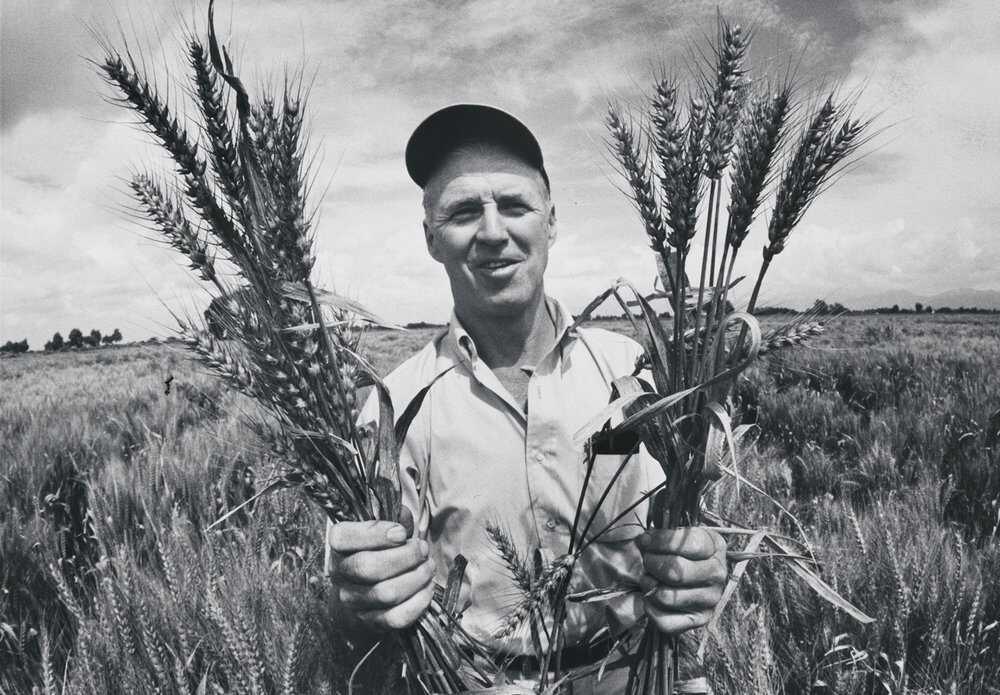
One big hero was Norman Borlaug. He is called the father of green revolution globally. He made new wheat plants that grew more grain. His work saved many lives, and he got the Nobel Peace Prize in 1970.
In India, who started green revolution in india? It was M.S. Swaminathan, known as the father of green revolution there. He worked with the government to bring new seeds and methods to farmers.
These changes did not happen alone. Governments helped with money and plans. Farmers learned new ways. Everyone worked together.
Why Did We Need the Green Revolution?
Back in the 1940s and 1950s, the world had big problems. Population grew quickly after World War II. More babies lived longer because of better health care. But food did not grow as fast.
In Asia and Latin America, famines happened. India had bad shortages in the 1960s. Leaders worried about feeding everyone.
Scientists saw a way out. They could use new tech to make crops stronger. This led to the 4 innovations that led to the green revolution.
These ideas worked best for main foods like wheat, rice, and maize. They are called cereals, and people eat them a lot.
The 4 Innovations That Led to the Green Revolution
Experts list 4 innovations that led to the green revolution as the main reasons for success. These four things helped each other. One alone would not work well. Let’s look at each one step by step.
Innovation 1: High-Yielding Varieties (HYVs) of Seeds
This was the most important start. Scientists bred new kinds of seeds. These high-yielding varieties gave way more food from each plant.
Old seeds made tall plants. Wind could knock them down. They did not use extra water or food well.
New HYVs were short and strong. They had bigger heads full of grain. They also grew faster, so farmers could plant more than one crop a year.
Green revolution examples include:
- Borlaug’s dwarf wheat in Mexico.
- IR8 rice, called “miracle rice,” in the Philippines.
How did it help? In Mexico, wheat went from low amounts to five times more. In India, rice yields jumped high.
Farmers needed to use the other innovations with these seeds. HYVs liked lots of water and nutrients.
For more details, check the full Wikipedia page on the Green Revolution1.
Innovation 2: Synthetic Fertilizers and Pesticides
Plants need food to grow big. Soil sometimes does not have enough.
Farmers started using man-made fertilizers. These had nitrogen, phosphorus, and potassium. Nitrogen helped leaves and stems grow strong.
Pesticides killed bugs that ate crops. Herbicides killed weeds that stole water and light.
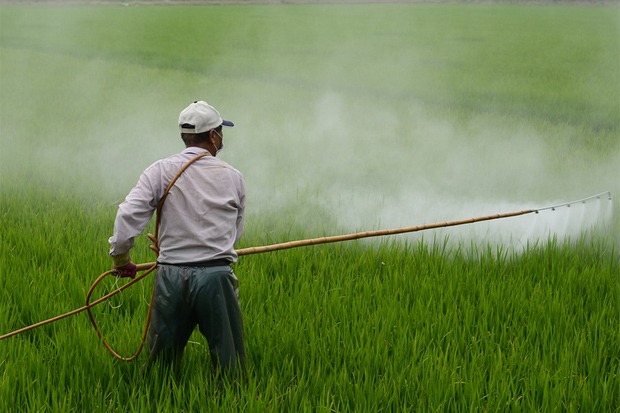
Why was this key? HYV seeds used these chemicals to make even more grain. Without them, new seeds would not do much better than old ones.
Numbers show the change: World fertilizer use went from about 14 million tons in 1950 to over 140 million tons by 1990.
But there were downsides. Too much could pollute rivers and soil. We learned to use them carefully.
Innovation 3: Expanded Irrigation Systems
Crops need steady water. Rain is not always enough or on time.
Governments built big projects: dams, canals, pumps, and tube wells. This brought water to dry fields all year.
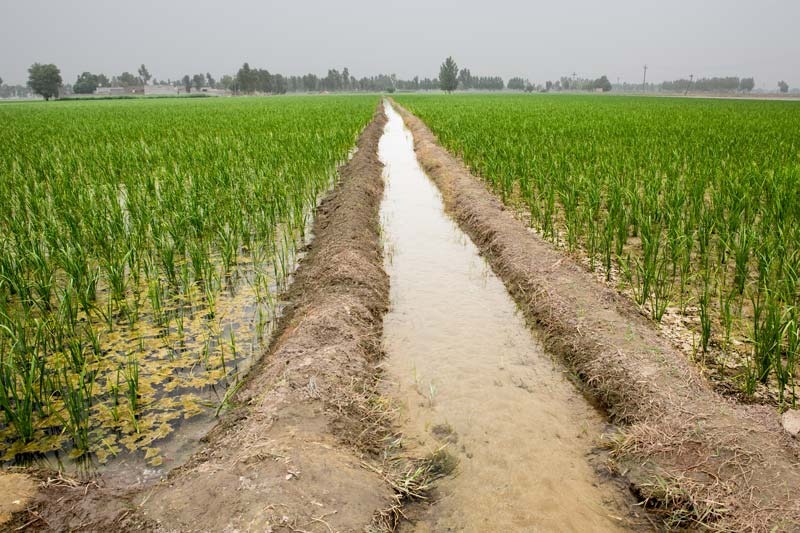
In India’s Punjab area, new water systems let farmers grow two or three crops instead of one.
In Mexico, dams helped wheat fields.
This made HYVs work best. They needed lots of water to grow fast and big.
Irrigation turned dry land into green farms. It was expensive but saved lives.
See pictures and explanations in this blog on Green Revolution technology.
Innovation 4: Mechanization of Farming
Old farming used hands and animals. It was slow and hard.
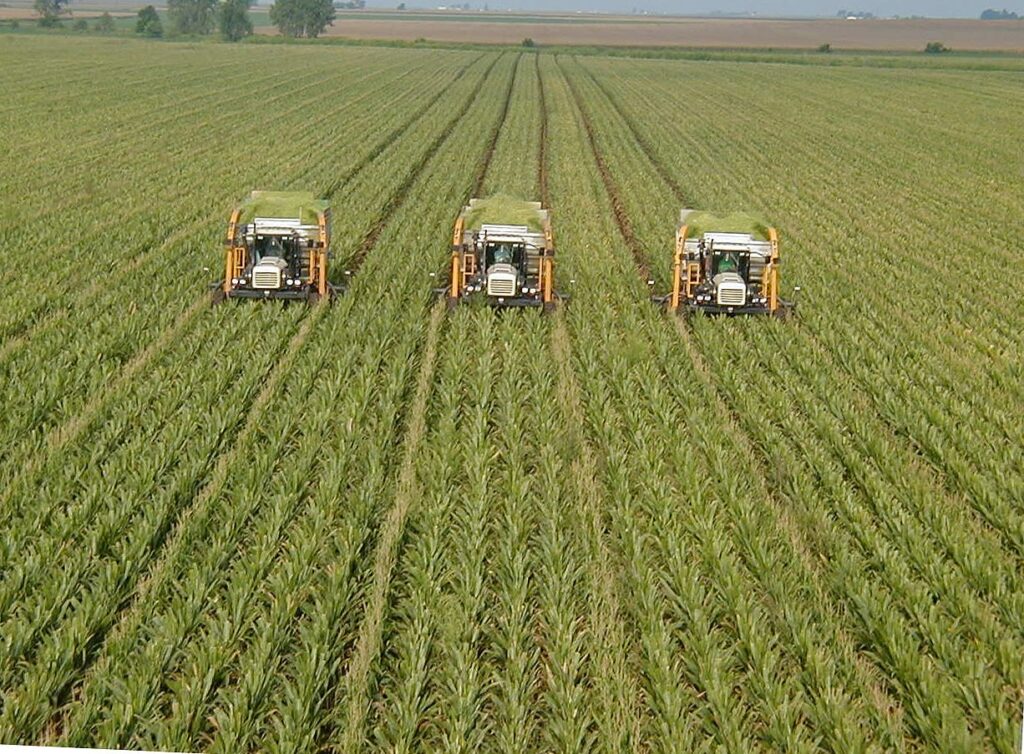
New machines changed that. Tractors plowed fields fast. Harvesters cut crops quickly. Seed drills planted evenly.
Farmers could handle more land. They planted and harvested on time.
In rich areas first, then spread. Small farmers sometimes shared machines.
This helped big yields from HYVs stay on schedule.
Many students review this on Quizlet APES Unit 5 flashcards2.
How These Innovations Worked Together
The 4 innovations that led to the green revolution were a team. HYVs needed water from irrigation, food from fertilizers, and fast work from machines.
One without others would fail. For example, new seeds with no fertilizer gave little extra food.
This package made the magic happen.
Big Impacts Around the World
The changes were huge.
- Food production: Cereals doubled in developing countries from 1961 to 1985.
- India: No more big famines after the 1960s. Wheat went from 10 million tons to over 70 million.
- Mexico: Became a food exporter.
- Asia: Rice fed billions more.
Poverty dropped. People lived longer. Economies grew.
But not perfect. Some small farmers could not afford inputs. Chemicals hurt nature sometimes. Water use caused problems in places.
Today, we learn from this for better ways, like eco-friendly farming. Ideas like sustainable packaging for small businesses show modern green thinking.
More Green Revolution Examples
In the Philippines, IR8 rice helped a lot. Farmers called it miracle rice because yields jumped.
In Pakistan and Turkey, wheat grew fast.
Africa had less because of different soils and less help. But some places tried.
These green revolution examples teach us tech must fit the place.
The People Behind the Success
Norman Borlaug started in Mexico with Rockefeller help. He tested thousands of wheat types. His seeds resisted rust disease too.
He taught farmers directly. Traveled a lot.
M.S. Swaminathan brought ideas to India. He made sure seeds fit Indian weather. Pushed for fair prices for farmers.
Many others: scientists, governments, and brave farmers who tried new things.
What We Learn Today
The 4 innovations that led to the green revolution show science can solve big problems. But we must think about nature too.
Students study this in environmental classes. It helps understand food and planet.
For deeper study, look for green revolution pdf files from schools.
Modern ideas build on this, like better seeds without chemicals.
FAQs About the 4 Innovations That Led to the Green Revolution
What are the 4 innovations that led to the green revolution?
The 4 innovations that led to the green revolution are:
- High-yielding varieties of seeds (HYVs) – new plants that make more food3.
- Synthetic fertilizers and pesticides – chemicals that feed plants and kill bugs.
- Expanded irrigation – better ways to bring water to fields.
- Mechanization – machines like tractors to farm faster.
Who is the father of green revolution?
Norman Borlaug is called the father of the green revolution around the world. He made better wheat seeds. In India, M.S. Swaminathan is the father of the green revolution there.
What is a simple green revolution summary?
The green revolution summary is: In the 1960s-1980s, new farming ways helped grow twice or three times more food. This stopped hunger in many countries like India and Mexico.
Who started green revolution in india?
Who started green revolution in india? M.S. Swaminathan led it. He brought new seeds and taught farmers with government help.
How did high-yielding varieties help?
High-yielding varieties (HYVs) were short, strong plants. They made more grain and grew fast. Farmers could plant more crops each year.
In Conclusion: The Lasting Power of These 4 Innovations
The 4 innovations that led to the green revolution – better seeds, fertilizers, irrigation, and machines – made a huge difference. They fed billions and showed what teamwork and science can do. From Borlaug’s fields to India’s farms, these ideas saved lives and built hope.
Today, we use lessons from them to make farming kind to the planet. The Green Revolution reminds us to innovate wisely.
What do you think the next big change in farming will be?
References
- Wikipedia: Green Revolution – Full history, stats, and examples; perfect for students and researchers wanting facts on global food changes. ↩︎
- Quizlet: APES Unit 5 Flashcards – Easy study cards with questions; great for high school and college students in environmental science. ↩︎
- HNRS353 Blog: Technology of the Green Revolution – Clear tech details; helpful for agronomy learners and policy makers looking at pros and cons. ↩︎

